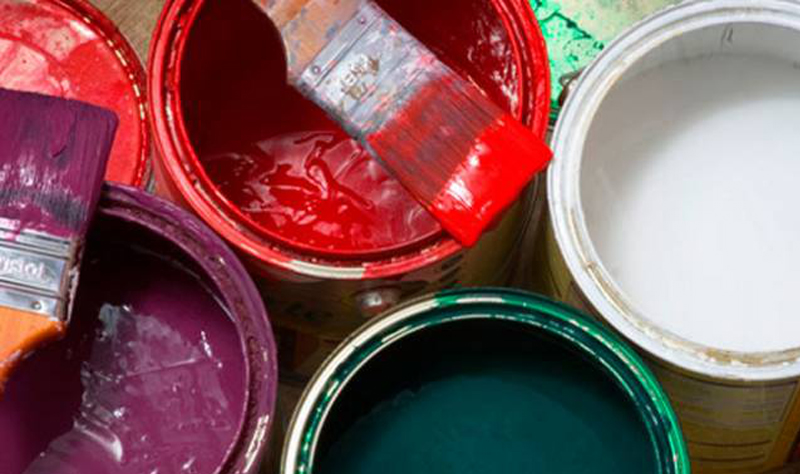
The new "Environmental Protection Law" of the country has been promulgated and implemented, and the "strictest" new environmental protection law in history is coming. With the increasing awareness of environmental protection among people, the trend of water-based coating is becoming more and more obvious. Water based paint products have gradually matured and begun to enter the public's decoration field. The environmental protection characteristics of water-based paint are beyond doubt, but there are also certain limitations in the construction process. Mastering the correct methods to overcome these problems is also easy.
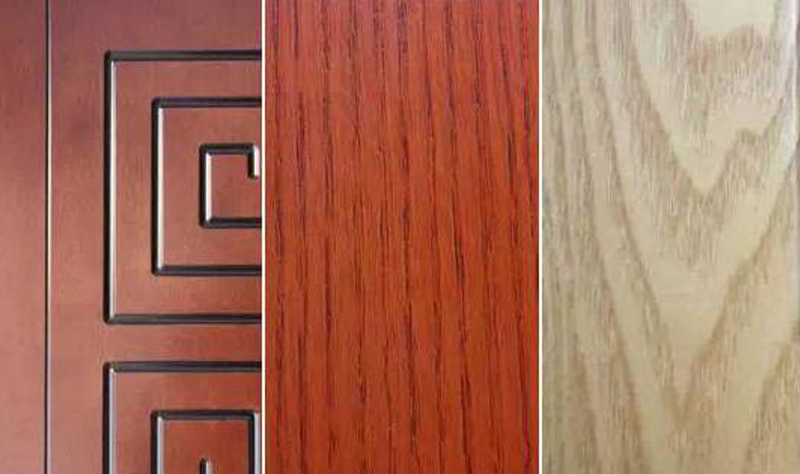
Limitation 1: Dilution of water-based wood paint
In normal seasons, there are not many problems with the storage and use of water-based paint. In winter, the temperature is lower, and water-based paint cannot be directly mixed with tap water because the water temperature is very low, which can affect the drying speed of water-based paint and even cause non drying phenomenon. There are two ways to dilute water-based paint in winter:
1. Dilute with water at 40-50 degrees Celsius. Dilute with warm water, the evaporation rate of water is faster, which can improve the drying speed of water-based paint. While diluting with warm water, you can also use warm water to keep water-based paint warm - that is, place the prepared water-based paint in a warm water basin for insulation, especially for colored paint.
2. Dilute with a mixture of alcohol and warm water. The recommended ratio of alcohol to water is 1:1, which is effective for primer applications. But do not use this method for the final coat of paint, as it will affect the leveling and cause poor hand feel or orange peel phenomenon.
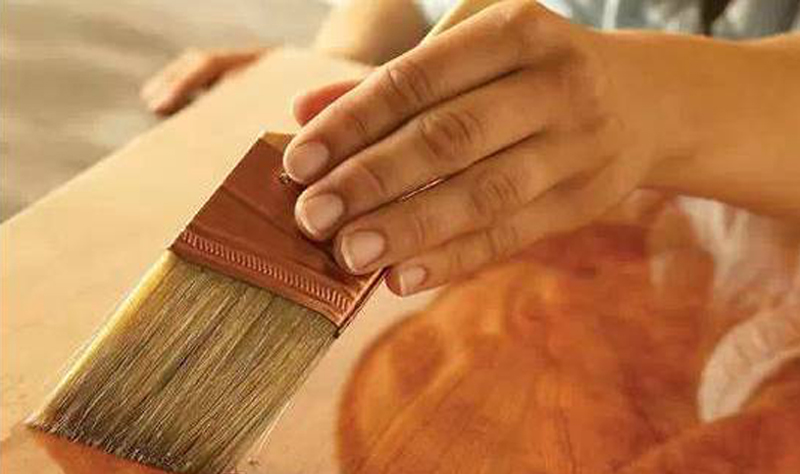
Limitation 2: High requirements for construction environment
Humidity is a key factor affecting the construction of water-based paint. If the humidity is too low, it will dry too quickly, affecting leveling. If the humidity is too high, it will dry slowly and easily turn white; The generally suitable humidity is 40-80%.
Limitation 3: Difficulty in low-temperature construction
Waterborne paint should not be applied thick at once, but should be thinly scraped multiple times, otherwise it is easy to crack. When applying colored transparent paint at low temperatures, uneven color distribution may occur.
During construction, it is necessary to first mix the alcohol and colorant, then add the topcoat and adjust it with 40 degree warm water. This operation will make the colorant more evenly dispersed.
Construction method of wood paint
1. Before painting, furniture and other items should be degreased and cleaned, and polished flat.
2. Use the matching water-based primer, prepare the primer according to the product instructions, stir evenly, then dilute with water to the construction viscosity depending on the situation, filter with silk cloth, and let it mature for 20 minutes before construction. The first coat of primer should be applied thinly and uniformly, and after drying for 3-4 hours (25 ℃, 50% humidity), it should be sanded with sandpaper.
3. Depending on the depth of the wood grain, it is better to scrape the putty thinly. When scraping the putty, it should be forcefully scraped into the wood seam. After the putty dries, it should be thoroughly sanded with sandpaper.
4. Apply 1-2 coats of primer on top of putty or the first coat of primer. After the primer dries, sand it with sandpaper to make the substrate smooth and delicate.
5. The topcoat is prepared according to the product instructions. After mixing the main paint with the curing agent, it is intermittently stirred for 10 minutes. Depending on the situation, it is diluted with water to the construction viscosity, filtered with silk cloth, and left to mature for 20 minutes before construction. The topcoat is generally applied 1-2 times. If higher fullness is required, the number of topcoat applications can be increased. The recoating time should be within 2-16 hours (25 ℃, 50% humidity), and there is no need to polish between topcoats. If the recoating time exceeds 16 hours, the topcoat should be polished before application. Before applying the final coat of paint, after the paint film has fully dried (about 12 hours), gently dry or wet grind any uneven areas with sandpaper of 1000 grit or more and wipe them clean, then apply or spray the final coat of paint.
Precautions for Wood Paint Construction
1. Wood paint should be applied after the ground construction is completed, and ventilation should be maintained during construction to avoid dust and affect the overall effect. Wood paint and latex paint cannot be applied simultaneously.
2. Wood needs to be dried, with a moisture content not exceeding 15%, and the humidity and temperature of the construction environment should not be too high.
3. Paint products are mostly composed of three components (main paint, diluent, curing agent), which should be stirred evenly before mixing and strictly mixed according to the proportion.
4. Choose matching diluents and curing agents to avoid biting and wrinkling.
5. After mixing, it should be filtered and left to stand for 10-15 minutes before painting.
6. After the prepared paint is left for a period of time, an appropriate amount of diluent can be added to prevent the viscosity from increasing and causing brush marks.
7. The prepared paint should be used up within 4 hours, and cannot be returned to the original paint bucket before use.
8. The construction area should not exceed 4-5 wooden boards wide at a time to avoid brush marks.
9. The coating for one construction cannot be too thick, and the next layer of construction must be carried out after the coating is dry.
10. The primer should not be applied too thick, a thin layer is sufficient. The topcoat should not be applied too thick at once, otherwise it will affect the drying speed and hardness.
11. Before applying wood paint, it must be thoroughly and thoroughly polished until the entire paint film feels smooth and even to avoid poor adhesion between layers, which can cause delamination.
12. Polishing must be carried out after practical work, otherwise there may be fog or whitening.
13. Construction cannot be carried out when the ambient temperature is below 7 ℃ or the humidity is above 85%, otherwise it may cause problems such as whitening of the paint film.